
From Sunnyside to 82nd: The Commuter Body After Surgery in Clackamas
on Thursday, March 12, 2026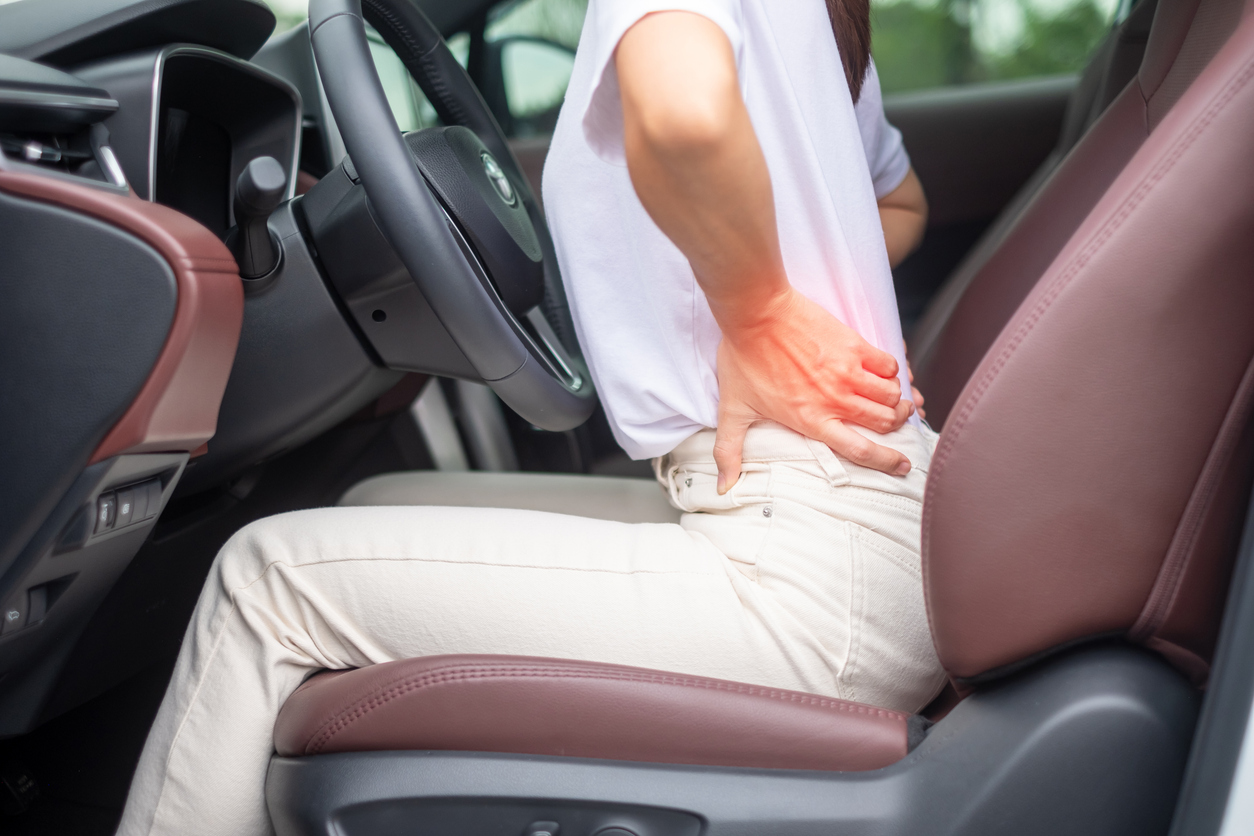
Clackamas is not defined by hills the way Happy Valley is. It’s defined by movement patterns.
The Sunnyside corridor hums with commuter traffic. 82nd Avenue funnels cars north and south. Johnson Creek trails weave behind commercial zones. Many residents split their day between driving, desk work, short walking bursts, errands, and quick transitions in and out of vehicles.
After surgery, this stop-and-go lifestyle creates a very specific recovery challenge.
Not dramatic. Not athletic. But repetitive.
And in early spring, when errands increase and outdoor time rises, the “commuter body” is often where setbacks begin.
The Problem Isn’t Intensity — It’s Repetition
Many post-surgical patients in Clackamas feel strong enough for occasional activity. What surprises them is how quickly discomfort builds during ordinary daily routines.
Driving to Sunnyside, sitting in traffic, stepping out of the car, walking across a parking lot, sitting again, then repeating the cycle multiple times a day creates:
- Repeated hip flexion
- Prolonged knee compression
- Reduced spinal mobility
- Interrupted circulation
This pattern is different from steady walking or controlled gym work. It is intermittent loading — and intermittent loading stresses healing tissue differently.
At Renew PT, recovery plans consider lifestyle demands like commuting patterns, not just exercise tolerance.
Why Sitting Is a Bigger Factor Than Most People Realize
After knee, hip, or spine surgery, extended sitting can increase joint stiffness and muscular inhibition.
In commuter-heavy areas of Clackamas, patients often report:
- Knee tightness after short drives
- Hip stiffness when exiting the car
- Lower back pressure during stop-and-go traffic
- Difficulty “warming up” after sitting
This is not necessarily a regression in healing. It is a load-management issue.
Sitting places joints in sustained flexion. When followed immediately by weight-bearing activity, tissues must transition quickly from compressed to loaded.
Without adequate endurance and mobility, this transition can feel unstable.
The Johnson Creek Effect: Short Walks, Uneven Surfaces
Johnson Creek paths and neighborhood sidewalks near 82nd introduce subtle terrain variability. Not steep, but uneven.
After surgery, uneven surfaces challenge proprioception — your body’s awareness of joint position.
Patients who feel stable on clinic floors may notice slight wobble or fatigue during real-world walking routes.
That is because controlled environments remove variables. The outside world reintroduces them.
This is where the later phases of post-surgery physical therapy become critical. Rehabilitation must evolve beyond strength and include reactive balance and endurance training.
You can explore how this progression works through Renew PT’s physical therapy services.
The Endurance Gap in Commuter Lifestyles
Many Clackamas residents do not perform one long activity. They perform dozens of short ones.
Short walks from parking lots. Carrying groceries. Quick staircases into split-level homes. Standing briefly, then sitting again.
This type of day requires muscular endurance — not just peak strength.
After surgery, endurance often lags behind strength. A patient may lift well in therapy but fatigue during a full day of stop-and-go activity.
As fatigue builds, movement quality declines. When movement quality declines, joint stress increases.
Why Spring Amplifies the Issue
As March progresses, daily activity subtly increases.
Longer daylight means additional errands. Outdoor tasks expand. Weekends involve more movement. None of it feels extreme — but the cumulative load rises.
Without preparing for this cumulative stress, the body can become irritated rather than strengthened.
At Renew PT, assessments focus on cumulative tolerance. Not just what you can do once, but what you can repeat consistently.
Athletic Movement Isn’t Always the Risk
It’s easy to assume that sports cause setbacks.
In Clackamas, however, everyday routines are often the true test after surgery. The body must tolerate sitting, driving, walking, and lifting — repeatedly.
This is why transitional rehabilitation matters. It ensures that recovery supports real-world patterns, not just clinical benchmarks.
Signs Your Commuter Load May Be Outpacing Recovery
You may benefit from a reassessment if you notice:
- Increasing stiffness after daily driving
- Fatigue by mid-afternoon
- Mild swelling after routine errands
- Discomfort that improves overnight but returns daily
These patterns often indicate endurance and mobility gaps, not structural failure.
Scheduling through the Renew PT contact page allows for a focused readiness check before irritation turns into regression. Many patients also review the Renew PT testimonials page to understand how others navigated similar transitions.
Building a Body That Handles Real Life
Rehabilitation is not complete when pain subsides. It is complete when the body tolerates the rhythm of your life.
In Clackamas, that rhythm includes commuting, errands, uneven sidewalks, and layered daily demands.
Post-surgery physical therapy that accounts for these realities ensures that early spring activity supports progress instead of disrupting it.
